Having your second or third baby: What may be different this time?
If you are expecting your second or third baby, you might feel more familiar with pregnancy than you did the first time around. You have experienced labour and birth before, may recognise the changes your body goes through and probably have a better idea of what those first few weeks with a newborn involve.
But knowing what to expect does not necessarily make everything straightforward. Perhaps your first birth went much as you had hoped, or maybe your previous experience was difficult and has left you with questions. You might also be thinking less about labour itself and more about how you will manage childcare, family routines and recovery with another little one to care for.
Having your second or third baby is not simply a repeat of your first experience. Your previous birth can offer useful information, but every pregnancy has its own circumstances. Understanding what may be different can help you prepare without feeling you need to have everything worked out in advance.
Labour may be quicker, but do not rely on a particular timeline
One thing parents often hear when expecting another baby is that labour will probably be quicker. There is some truth to this: the established first stage of labour and the pushing stage are generally shorter for people who have given birth before. However, this does not mean every second or third labour will be quick or follow the same pattern as last time.
The early stage of labour can still take many hours or even days. Contractions might begin irregularly, settle for a while and then become stronger and more frequent as labour progresses. You may recognise these sensations from your previous birth, but it is not always easy to tell when labour is becoming established. The NHS explains the stages of labour and birth and what happens as labour progresses.
Your previous experience may help you remember which positions made contractions easier to cope with, whether you preferred to stay active or which pain relief you found useful. Even so, try not to treat your last labour as a timetable for this one. Ask your midwife when your maternity unit would like you to make contact, particularly if your previous labour was fast or you have been given specific advice based on your medical history.
Your previous birth can help you plan the next one
Looking back at your previous birth can help you work out what you would like to be the same or different this time. If your first labour went smoothly, you might feel more confident about giving birth again. If you needed an assisted delivery, experienced a significant tear or had complications, you may have questions about whether they could happen again.
Your history is relevant, but it does not tell the whole story. The reason an intervention was needed, any complications you experienced and the circumstances of your current pregnancy all help your maternity team advise you. If you experienced heavy bleeding, a difficult recovery or physical symptoms that have continued since your last birth, mention these during your antenatal appointments so they can be taken into account.
You can also ask questions about anything you did not understand last time. You might feel more confident having these conversations because you know more about birth than you did during your first pregnancy, or you might have new concerns. Both are perfectly reasonable, and your care team can help you understand what your history may mean for this pregnancy.
If you had a caesarean last time, what are your options?
Having a caesarean with your first baby does not automatically mean you will need another one. Depending on your circumstances, you may be able to consider a vaginal birth after caesarean, known as a VBAC, or a planned repeat caesarean. Each option has benefits and risks, and the most appropriate choice depends on your medical history and current pregnancy.
For some parents, a vaginal birth is appealing because an uncomplicated vaginal birth generally involves a shorter recovery than a caesarean. Others prefer a planned caesarean after considering their previous experience, individual risks and personal preferences. A VBAC carries a risk of needing an unplanned caesarean during labour and a small risk of the scar on the womb opening. A repeat caesarean avoids labour-related risks associated with that scar, but it is still surgery and has its own recovery and potential complications.
Your midwife or obstetric team can discuss why your previous caesarean was needed, the type of incision made in your womb, whether you have given birth vaginally before and whether there are any new considerations in this pregnancy. These details help your team explain which options may be suitable for you. The RCOG’s information about birth after a previous caesarean explains the considerations involved in choosing between a VBAC and a planned repeat operation.
If you have had more than one caesarean, discuss your options with your obstetric team, as the considerations can be different. Having this conversation well before your due date gives you time to ask questions and think about what matters most to you.
When your previous birth was not what you expected
Not every birth leaves parents feeling positive about the experience. You might have had an emergency intervention, felt frightened by how quickly events unfolded or struggled because you did not understand what was happening at the time. Sometimes the physical recovery is straightforward, but the emotional impact takes longer to work through. A new pregnancy can bring those memories back, even if you thought you had put the experience behind you.
You can feel pleased about expecting another baby and still feel anxious about labour. If your previous experience is weighing on your mind, tell your midwife. You can ask whether your maternity service offers an appointment to discuss your previous labour and birth, sometimes called a birth reflections or debrief appointment. Availability and format vary between NHS maternity services, but talking through your birth notes with an appropriate healthcare professional may help you understand why particular decisions were made.
If you are experiencing ongoing distress or anxiety, your midwife or GP can discuss further support. You do not need to wait until these feelings become overwhelming before asking for help. You might also want to let your maternity team know what would help you feel more informed and involved this time, such as having decisions explained whenever circumstances allow.
Preparing for labour and life with an older child
One of the biggest practical differences with your second or third baby is that you are preparing for birth while already looking after a family. School runs, childcare, work commitments and your older child’s needs may all continue right up until labour begins. Thinking through a few practical arrangements ahead of time can make this period easier to manage.
Start with childcare. Decide who could look after your older child if you need to leave for hospital, including overnight or at short notice. If possible, have a backup person in case your first choice is unavailable. Talk to your birth partner about their role, too. If your partner will be looking after your older child, you may need someone else to accompany you to hospital.
It is also worth considering transport, meals and help around the house. Your maternity team can advise you on when to contact them and when to come in, taking your circumstances into account. Preparing a few meals, arranging help with school runs or asking family members to take on specific jobs can make the first days at home feel more manageable.
Your older child may have questions about what will happen when the baby arrives. Depending on their age, you could explain that newborns need lots of care and that some routines may change for a while. Keeping familiar activities in place where possible can help, but there is no need to promise that everything will stay exactly the same. Every child adjusts differently, so give them time to get used to the change.
Recovery may feel different when you have another child to care for
It is easy to assume that recovery will be similar to last time, particularly if you recovered quickly after your first birth. In reality, your experience will depend on the type of birth, your physical health, any complications and the support available to you. After a vaginal birth, you may experience soreness, bleeding and tiredness while your body recovers. Following a caesarean, you will also need time to recover from surgery and look after your wound.
If you had a difficult recovery previously, discuss it with your midwife or obstetric team before birth. They can explain whether there are particular considerations for your current pregnancy and help you think about the support you may need. The NHS advice on recovering after a caesarean covers wound care, returning to everyday activities gradually and looking after yourself while you heal.
Rest can be harder to find when you have an older child who still needs your attention. If possible, arrange for someone to help with school runs, meals or childcare while you recover. You may also need to agree with family members that some household tasks can wait. Practical support can give you more time to rest and adjust to life with your new baby.
Try not to compare your recovery this time with your previous experience. You may feel different, need more help or take longer to return to your usual routine. If you develop symptoms that concern you, contact your maternity team or the appropriate NHS service rather than assuming they are part of recovery. Severe pain, heavy bleeding, breathing difficulties or a sudden deterioration require prompt medical attention.
Your birth preferences may have changed
You might have a clearer idea of what you want from labour this time. Perhaps you know which pain relief helped, which positions you found comfortable or what kind of support made a difference. You may also have different priorities after a difficult birth, such as wanting to understand your options or have decisions explained clearly if circumstances change.
Use your antenatal appointments to discuss your preferences and any questions about the choices available to you. NICE guidance on care during labour supports discussions about preferences and choices, while recognising that decisions may need to change as labour progresses.
A birth plan can be a useful way to record what matters to you, but it does not have to be a long document. You might simply note your preferences for pain relief, who you would like with you and anything about your previous experience that you want your team to know. Your preferences can change, too; making a different decision during labour does not mean you have failed to prepare.
If you would like to explore this further, our article on keeping your birth plan flexible looks at how to prepare for birth while allowing for changes in circumstances.
What about pregnancy scans when you are expecting again?
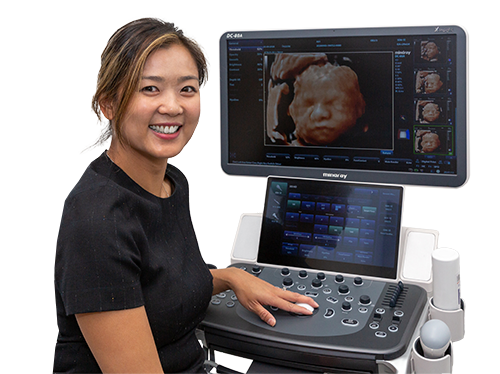
If you have been pregnant before, you may already be familiar with the role of ultrasound in maternity care. However, you might have new questions about the information available at different stages of pregnancy or the difference between an NHS scan and a private appointment. An ultrasound examination has a specific purpose, and the information it provides depends on the type of scan and how far along the pregnancy is. An early pregnancy scan, for example, does not assess the same level of detail as a later anomaly scan.
If you’re thinking about having a private ultrasound, it’s worth checking what the scan can show and what to expect from the appointment. At Yorkshire Baby Scan, we’re happy to talk you through our scan options and help you decide which appointment may be right for you. Your sonographer can explain the findings and answer any questions you have. A private scan complements your usual NHS maternity care, including routine dating and anomaly scans. If you have any questions about our scans, please feel free to get in touch. If you experience bleeding, significant pain or any other worrying symptoms, contact your midwife or maternity team for advice on the most appropriate next steps. If your baby’s movements are reduced or their usual pattern changes later in pregnancy, contact your maternity unit or midwife immediately. Do not wait until the next day.
Getting ready for your growing family
As you prepare for another baby, think about what worked well after your previous birth and what you might approach differently. Perhaps you would have liked more help with meals, fewer visitors in the first few weeks or more time to recover before returning to your usual routine. Agreeing how responsibilities will be shared with your partner or support network can be more useful than assuming you will work everything out once the baby arrives.
You may already have clothes and equipment ready to reuse, but there will still be practical decisions to make about sleeping arrangements and how your family will adjust. Your older child might be excited about the baby, need extra attention or find the new routine difficult at first. Making time for familiar activities and individual attention can help, although every child will respond differently.
Most importantly, try not to measure this pregnancy against your first. You have more experience now, but your circumstances have changed. Talk openly with your maternity team, make decisions based on your individual circumstances and arrange support that reflects your family’s needs. You do not need to know exactly how everything will unfold; a realistic plan and the opportunity to ask questions are good places to start.
Article information
References
Disclaimer
Important information
The information in this blog is provided for general information only. It is not intended to provide individual clinical advice, diagnosis or treatment and should not replace advice from your midwife, GP, maternity team, dentist or other appropriate healthcare professional.
Every pregnancy is different. If you have been given individual medical advice, please follow the guidance provided by your own healthcare team. If you have concerns about your health, your pregnancy or your baby’s wellbeing, seek appropriate medical advice rather than relying on information in this newsletter/blog etc.
Yorkshire Baby Scan is not an emergency service
Yorkshire Baby Scan is not an emergency or urgent medical service. Our scans and appointments are not a substitute for NHS maternity or emergency care.
If you have an urgent concern during pregnancy, contact your midwife or maternity unit, or the appropriate NHS service for your stage of pregnancy. If you are unsure where to seek help, contact NHS 111.
If you think you are experiencing a life-threatening emergency, call 999 immediately. (nhs.uk)
If you notice a change in your baby’s usual movements, do not wait for a scan appointment or until the next day. Contact your midwife or maternity unit immediately. (nhs.uk)
Information and review
We take reasonable steps to ensure that the information provided is accurate and based on current guidance at the time of publication. Healthcare guidance, legislation and available services can change, so information should be checked against current official guidance where appropriate.
Enjoyed this article or want to know more?
Book your scan today
See your baby’s first moments and create memories that last a lifetime. Book your private scan today and enjoy peace of mind from the very start of your journey.