Understanding your bleeding during pregnancy
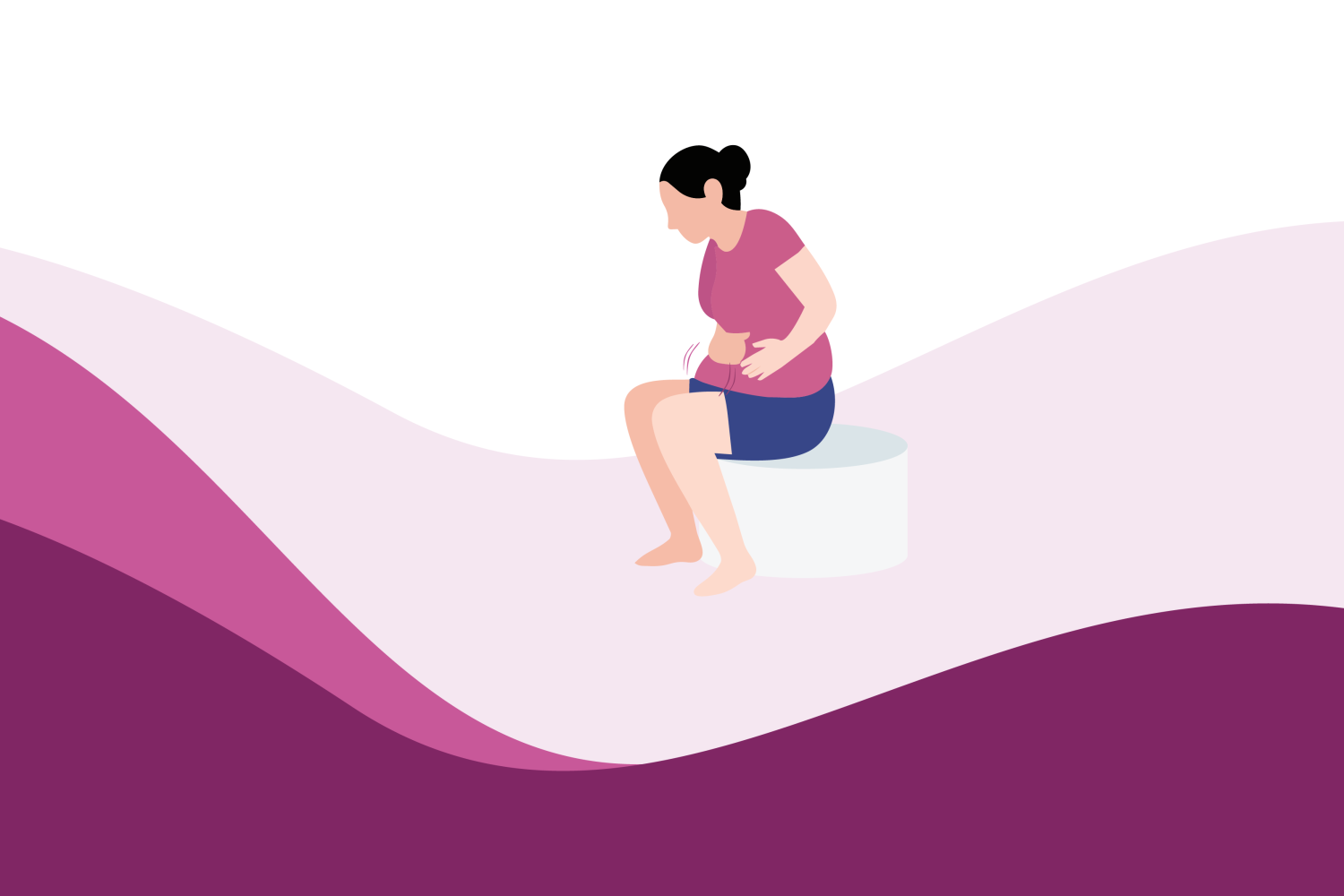
Bleeding during pregnancy is a symptom that often causes worry, and understandably so. While some light spotting can occur for harmless reasons, any vaginal bleeding in pregnancy is not considered normal and should always be assessed by a healthcare professional. Early evaluation is important to ensure both your health and your baby’s safety.
Why bleeding can happen
Bleeding in pregnancy can have several causes depending on the stage of pregnancy. In very early pregnancy, light spotting may sometimes be due to implantation bleeding, which happens when a fertilised egg attaches to the womb lining. Other early causes include changes to the cervix or, more seriously, miscarriage or an ectopic pregnancy, where the embryo implants outside the womb.
Later in pregnancy, bleeding can occasionally be linked to placental problems, such as placenta previa or placental abruption. Because the causes range from minor to potentially serious, any episode of bleeding should be discussed with your maternity team or early pregnancy unit. More guidance is available from the Royal College of Obstetricians and Gynaecologists here.
How to respond if bleeding occurs
If you notice any vaginal bleeding during pregnancy, contact your maternity team or early pregnancy unit promptly, or call NHS 111 for advice. Even if the bleeding seems light or stops quickly, it is important to get a clinical assessment.
You should seek urgent medical attention if the bleeding is accompanied by:
- Abdominal or pelvic pain
- Dizziness or fainting
- Heavy bleeding, passing clots or large amounts of blood
These symptoms could indicate a more serious condition and require immediate evaluation. Your local NHS early pregnancy unit is equipped to provide the necessary urgent care.
How we can help
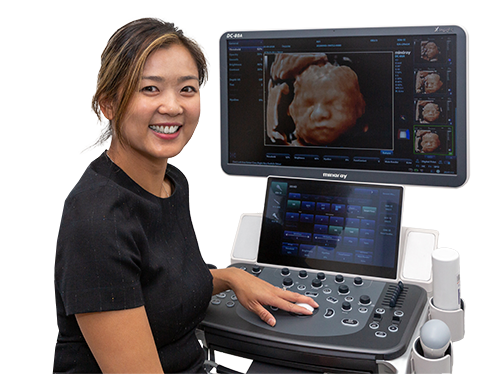
Once your symptoms have been assessed and your NHS team has ensured everything is safe, many parents find it reassuring to have additional monitoring and reassurance through non-clinical scans. At Yorkshire Baby Scan, we provide external ultrasound scans and NIPT testing, which allow you to check on your baby’s wellbeing in a safe, relaxed environment.
While we do not replace NHS assessments or medical treatment, our scans can give peace of mind after a concerning episode, helping you to see your baby and receive reassurance from experienced staff. Many parents appreciate being able to see their baby and confirm that things appear normal, particularly after an unsettling episode of bleeding.
Supporting your wellbeing
Experiencing bleeding in pregnancy can be emotionally challenging. Feeling anxious or unsettled is completely normal. Support from your partner, family or trusted professionals can make a big difference. Some parents find it helpful to book a reassurance scan with us after speaking to their NHS team, so they can see their baby and gain confidence that all is well.
Keeping a record of any bleeding episodes by noting the colour, amount, timing and associated symptoms that can also help both your NHS team and our scanning staff provide the best guidance and reassurance.
Final thoughts
Bleeding during pregnancy is never something to ignore. While some causes are minor, others can be serious and require urgent attention. Speaking to NHS 111 or your early pregnancy unit ensures you get the right medical care, and many parents also find it reassuring to have a follow-up scan to see their baby and feel more confident about their wellbeing.
Article information
References
Disclaimer
Important information
The information in this blog is provided for general information only. It is not intended to provide individual clinical advice, diagnosis or treatment and should not replace advice from your midwife, GP, maternity team, dentist or other appropriate healthcare professional.
Every pregnancy is different. If you have been given individual medical advice, please follow the guidance provided by your own healthcare team. If you have concerns about your health, your pregnancy or your baby’s wellbeing, seek appropriate medical advice rather than relying on information in this newsletter/blog etc.
Yorkshire Baby Scan is not an emergency service
Yorkshire Baby Scan is not an emergency or urgent medical service. Our scans and appointments are not a substitute for NHS maternity or emergency care.
If you have an urgent concern during pregnancy, contact your midwife or maternity unit, or the appropriate NHS service for your stage of pregnancy. If you are unsure where to seek help, contact NHS 111.
If you think you are experiencing a life-threatening emergency, call 999 immediately. (nhs.uk)
If you notice a change in your baby’s usual movements, do not wait for a scan appointment or until the next day. Contact your midwife or maternity unit immediately. (nhs.uk)
Information and review
We take reasonable steps to ensure that the information provided is accurate and based on current guidance at the time of publication. Healthcare guidance, legislation and available services can change, so information should be checked against current official guidance where appropriate.
Enjoyed this article or want to know more?
Book your scan today
See your baby’s first moments and create memories that last a lifetime. Book your private scan today and enjoy peace of mind from the very start of your journey.