Tip 2: Notice how your body may change before birth
As your due date gets closer, you may start to notice that your body feels different. Changes that seemed small earlier in pregnancy can become more noticeable in the final weeks as your baby grows, your uterus continues to expand and your body prepares for birth.
You may notice a feeling of increased heaviness, changes in how you move or Braxton Hicks contractions. These experiences can raise questions, especially if this is your first pregnancy and you are unsure what to expect.
Understanding why these changes happen can help you feel more prepared for the final weeks of pregnancy and recognise when something feels different from your usual experience.
Why your body changes before birth
The final weeks of pregnancy involve many physical changes as your body continues to support your growing baby and prepares for labour.
Your uterus has grown significantly by this stage and your baby is taking up more space. As your baby grows and may move lower into your pelvis, you might notice more sensations in your lower abdomen, pelvis or bladder area.
These changes can affect how you move and how comfortable you feel throughout the day. Some women notice they need more breaks when walking, feel more comfortable changing positions regularly or find that everyday activities take more effort than they did earlier in pregnancy.
This does not mean labour is about to begin immediately. Many changes happen gradually as your pregnancy progresses.
Feeling more heaviness or fullness in your lower body
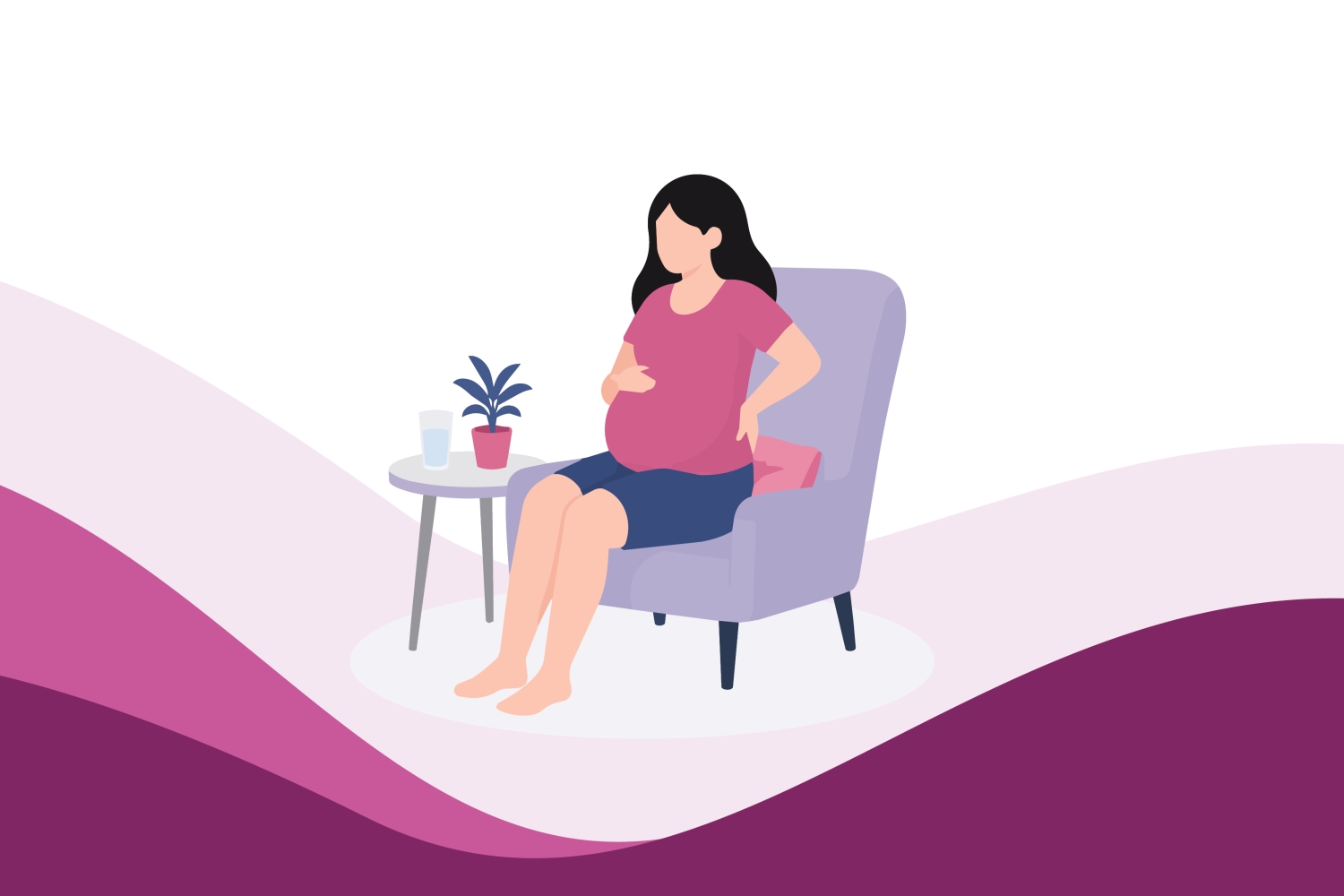
One common change towards the end of pregnancy is a feeling of heaviness or fullness in the lower abdomen or pelvis.
This can happen as your baby grows and there is less room inside the uterus. Your baby’s growth and position can also contribute to how your body feels, particularly as your baby moves lower into the pelvis.
You might notice:
- A heavier feeling when standing or walking
- More awareness of your pelvis or lower abdomen
- Needing to pass urine more frequently because your growing uterus places more pressure on your bladder
- Feeling more comfortable after resting or changing position
These sensations can vary between pregnancies. You may notice these changes for several weeks before birth, while some women experience fewer physical changes.
If you are unsure whether a change you are experiencing is expected or you have concerns about your symptoms, your midwife or maternity team can provide advice based on your circumstances.
Understanding swelling
Some women notice mild swelling of their feet, ankles or hands towards the end of pregnancy, particularly after standing for long periods or in warmer weather. If swelling is sudden, severe, or is associated with headaches, visual changes or pain below the ribs, you should contact your maternity team immediately.
Understanding Braxton Hicks contractions
Braxton Hicks contractions are another change some women notice as they approach the end of pregnancy.
They are sometimes described as practice contractions because they involve the tightening of the uterus. You may feel your bump become firm for a short period before relaxing again.
Braxton Hicks contractions can:
- Feel irregular rather than following a pattern
- Come and go without becoming stronger
- Ease with rest, changing position or drinking fluids
Experiencing Braxton Hicks contractions does not necessarily mean labour has started. They are a common part of late pregnancy, although the way they feel can differ from one woman to another. Braxton Hicks contractions do not usually become longer, stronger and closer together in the way labour contractions typically do.
The NHS explains more about Braxton Hicks contractions and how they differ from labour contractions in their guidance on Braxton Hicks contractions and labour signs.
Changes in how your body feels
As your pregnancy progresses, you may notice changes in your comfort, energy levels and how you move throughout the day.
Your growing baby and uterus take up more space, which can affect everyday activities such as walking, sleeping or finding a comfortable position. Some women find they need to adjust their routines, take more breaks or change how they approach activities they previously did without thinking.
Feeling more tired as your due date approaches
Many women find that their energy levels change during the final weeks of pregnancy.
Carrying extra weight, sleeping differently and your body using more energy to support your growing baby can all contribute to feeling more tired.
You may find that you need:
- More rest during the day
- More time to complete everyday tasks
- Adjustments to your usual routine
Rest is an important part of looking after yourself during pregnancy, but gentle daily activity, where you feel able, can also help maintain your strength, improve circulation and support your wellbeing.
When to ask for advice
Many physical changes towards the end of pregnancy are part of your body adapting as birth approaches. However, some symptoms should always be discussed with your maternity team.
Seek advice if you notice something that feels unusual for you, especially if symptoms are sudden, severe or you have concerns about your symptoms or your baby’s movements. Your maternity team can help you understand what is happening and advise you on the next steps.
When should I contact my maternity team?
Contact your maternity unit straight away if you experience:
- Your baby’s movements have reduced or changed
- Your waters may have broken
- Vaginal bleeding
- Regular, painful contractions
- Severe headache, blurred vision or sudden swelling
Preparing for the final weeks
Understanding changes before birth can make the final weeks feel less uncertain. Knowing why your body feels different can help you recognise what is expected and give you more confidence when asking questions.
If you are preparing for labour, you may also find it useful to read our guide on signs of labour starting, which explains how to recognise possible signs that labour may be beginning and how they differ from common late pregnancy changes.
Final thoughts
The final weeks of pregnancy often bring gradual physical changes as your body adapts to support your growing baby. While every pregnancy is different, understanding why these changes occur can help you recognise what may be expected and what it is appropriate to seek advice.
Every pregnancy is different, so there is no single way that the weeks before birth should feel. Understanding what may happen can help you feel more informed, prepared and confident as you approach meeting your baby.
If you have any concerns about changes you are experiencing, your midwife or maternity team can provide advice and support throughout your pregnancy.
Article information
References
Disclaimer
Important information
The information in this blog is provided for general information only. It is not intended to provide individual clinical advice, diagnosis or treatment and should not replace advice from your midwife, GP, maternity team, dentist or other appropriate healthcare professional.
Every pregnancy is different. If you have been given individual medical advice, please follow the guidance provided by your own healthcare team. If you have concerns about your health, your pregnancy or your baby’s wellbeing, seek appropriate medical advice rather than relying on information in this newsletter/blog etc.
Yorkshire Baby Scan is not an emergency service
Yorkshire Baby Scan is not an emergency or urgent medical service. Our scans and appointments are not a substitute for NHS maternity or emergency care.
If you have an urgent concern during pregnancy, contact your midwife or maternity unit, or the appropriate NHS service for your stage of pregnancy. If you are unsure where to seek help, contact NHS 111.
If you think you are experiencing a life-threatening emergency, call 999 immediately. (nhs.uk)
If you notice a change in your baby’s usual movements, do not wait for a scan appointment or until the next day. Contact your midwife or maternity unit immediately. (nhs.uk)
Information and review
We take reasonable steps to ensure that the information provided is accurate and based on current guidance at the time of publication. Healthcare guidance, legislation and available services can change, so information should be checked against current official guidance where appropriate.
Enjoyed this article or want to know more?
Book your scan today
See your baby’s first moments and create memories that last a lifetime. Book your private scan today and enjoy peace of mind from the very start of your journey.