Get your medicine cabinet ready for the colder months
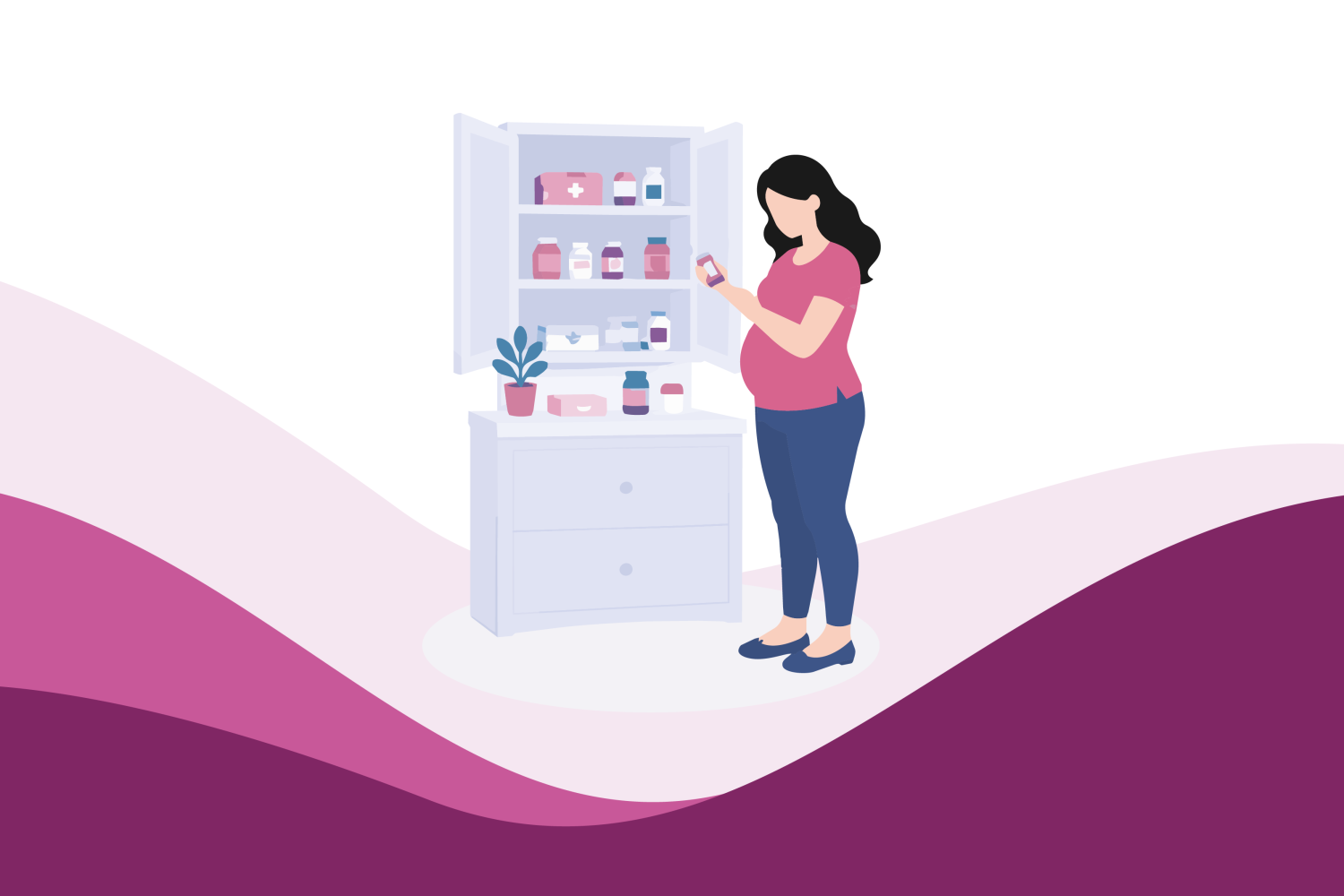
As the weather gets colder, it is natural to reach for the things you already have at home when you develop a cold, cough or other minor illness. Pregnancy is also a good reason to take a second look at what is in your medicine cabinet, particularly if some of the medicines or supplements have been there for a while.
This does not mean you need to remove everything or stop taking medicines that have been prescribed for you. It is simply about knowing what you have, checking the labels and making sure you know where to get appropriate advice if you need something during pregnancy.
Take a look at what you already have
Start with the basics. Have a look through any medicines, vitamins and supplements you keep at home and check what they are, whether they are still in date and whether you remember what they are intended for.
It is easy to forget about medicines bought for a previous cold or illness, particularly when they have been sitting in a cupboard for several months. Pregnancy can change whether certain medicines are suitable, so the NHS advice on medicines in pregnancy recommends checking with a pharmacist, midwife or GP before taking medicines during pregnancy, including medicines bought from a pharmacy or shop.
That applies whether something is labelled as a painkiller, cough remedy, cold medicine or another everyday product. The important point is not to assume that something you have used before is automatically suitable during pregnancy.
Be prepared for cold and flu season
Colds and other minor illnesses are common during the colder months, so it is worth knowing what you already have available before you need it.
Some cold and flu products contain several different ingredients, which can make it difficult to tell exactly what you are taking. You also need to be careful about taking more than one product containing the same medicine. This can happen when someone takes a separate painkiller alongside a cold or flu remedy without realising that the second product contains the same ingredient.
Reading the packaging carefully can help you understand what a product contains. If you are unsure whether something is suitable during pregnancy, get advice before taking it rather than relying on what you have used in the past.
Do not forget prescribed medicines
Checking your medicine cabinet should not mean stopping medicines that have been prescribed for you.
If you take regular medication for a health condition, make sure the healthcare professional looking after you knows what you are taking. The NHS advises not to stop a prescribed medicine without speaking to your doctor first, as stopping treatment may also carry risks.
If you have recently found out you are pregnant and take regular medication, this is something to discuss as part of your pregnancy care so that any necessary review can take place.
Give your vitamins and supplements a check
The colder months are also a useful time to check your vitamins and supplements. This is particularly relevant to vitamin D, because the NHS guidance on vitamins and supplements in pregnancy recommends a daily vitamin D supplement containing 10 micrograms between early October and late March. Some people may need to take vitamin D throughout the year depending on their circumstances.
If you already take a pregnancy multivitamin, check the label before adding another supplement, as you may already be getting vitamin D from the product you use. The NHS also advises checking supplements carefully during pregnancy because some ingredients are not recommended.
Check the label before buying a new supplement
Vitamins and supplements can look very similar on the shelf, but their ingredients and amounts can vary. A product being described as a multivitamin or marketed for general health does not necessarily mean it is suitable for pregnancy.
One ingredient to look out for is vitamin A, also known as retinol. The NHS advises against taking supplements containing vitamin A during pregnancy because too much can harm your baby’s development. Cod liver oil and liver products are also high in vitamin A.
Rather than choosing a new supplement simply because it contains a range of vitamins, check the ingredients and make sure it is appropriate for pregnancy. The NHS vitamins and supplements guidance explains which supplements are recommended during pregnancy and which should be avoided.
Natural does not always mean suitable
The same principle applies to herbal remedies and other products described as natural. Something being sold as a food supplement or natural remedy does not automatically mean it is suitable during pregnancy.
The NHS guidance on medicines in pregnancy also explains that not all natural remedies or complementary therapies are considered safe during pregnancy. If you are looking for something to help with a particular symptom, it is worth checking what is appropriate rather than relying on previous experience or recommendations from friends and family.
Your pregnancy may also affect which medicines or supplements are appropriate at different stages, so advice that was suitable before pregnancy may not necessarily apply now.
A quick check can save you searching later
You do not need to spend hours reorganising your medicine cabinet. A quick check before the colder months start can be enough to remind you what you already have and highlight anything that needs replacing or checking.
It can also be useful to keep medicines in their original packaging so that the ingredients and instructions are easy to identify. Keep them stored safely and out of reach of children, particularly if you have other children at home.
If you do become unwell during pregnancy, having already checked what you have at home means you can focus on getting the right advice and looking after yourself, rather than sorting through medicines at the same time.
Keep your pregnancy vitamins separate from the rest
If you take pregnancy-specific vitamins, it can be useful to keep them somewhere you will remember to check regularly. This is especially relevant during the autumn and winter months when vitamin D becomes more relevant.
There is no need to build a large collection of supplements simply because the weather has changed. The NHS advises that most vitamins and minerals can be obtained through a healthy, varied diet, alongside the supplements recommended during pregnancy.
The aim is simply to know what you are taking and why, rather than adding several different products without checking whether their ingredients overlap.
The bottom line: A quick check now can make things easier if you need something later
Before the colder months properly set in, take a few minutes to look through your medicine cabinet and check what is there. Make a note of anything that is out of date, check the ingredients of medicines and supplements you may use and make sure you know where to get appropriate advice if you need something while pregnant.
You do not need to make decisions about medicines based on a general pregnancy article. If you need to take something for an illness or are unsure about a medicine or supplement, speak to an appropriate healthcare professional about your individual circumstances.
A little preparation means that if a cold or other minor illness does come along, you have already checked what you have at home and know where to turn for appropriate advice.
Article information
References
Disclaimer
Important information
The information in this blog is provided for general information only. It is not intended to provide individual clinical advice, diagnosis or treatment and should not replace advice from your midwife, GP, maternity team, dentist or other appropriate healthcare professional.
Every pregnancy is different. If you have been given individual medical advice, please follow the guidance provided by your own healthcare team. If you have concerns about your health, your pregnancy or your baby’s wellbeing, seek appropriate medical advice rather than relying on information in this newsletter/blog etc.
Yorkshire Baby Scan is not an emergency service
Yorkshire Baby Scan is not an emergency or urgent medical service. Our scans and appointments are not a substitute for NHS maternity or emergency care.
If you have an urgent concern during pregnancy, contact your midwife or maternity unit, or the appropriate NHS service for your stage of pregnancy. If you are unsure where to seek help, contact NHS 111.
If you think you are experiencing a life-threatening emergency, call 999 immediately. (nhs.uk)
If you notice a change in your baby’s usual movements, do not wait for a scan appointment or until the next day. Contact your midwife or maternity unit immediately. (nhs.uk)
Information and review
We take reasonable steps to ensure that the information provided is accurate and based on current guidance at the time of publication. Healthcare guidance, legislation and available services can change, so information should be checked against current official guidance where appropriate.
Enjoyed this article or want to know more?
Book your scan today
See your baby’s first moments and create memories that last a lifetime. Book your private scan today and enjoy peace of mind from the very start of your journey.