Pelvic floor exercises during and after pregnancy
Pregnancy and childbirth bring incredible changes to your body, and one area that often feels the impact is the pelvic floor. These muscles support the bladder, bowel and uterus, and are essential for core stability, continence and overall pelvic health. Strengthening them through pelvic floor exercises, sometimes called Kegels, is widely recommended both during and after pregnancy to help prevent urinary incontinence, support recovery, and reduce the risk of other pelvic floor issues.
Why the pelvic floor matters
The pelvic floor is made up of layers of muscles and connective tissue that stretch and work hard during pregnancy. As your baby grows, the extra weight puts pressure on these muscles, which can weaken them over time. During labour, vaginal delivery can stretch or strain the muscles further. Even after a straightforward birth, the pelvic floor may need time and targeted exercises to regain strength.
Weak pelvic floor muscles can lead to problems such as urinary or faecal incontinence, pelvic organ prolapse, and even lower back or hip discomfort. For many women, these issues can affect daily life and confidence, but the good news is that regular pelvic floor exercises are highly effective in preventing and treating these problems.
When to start
You can begin gentle pelvic floor exercises during pregnancy, often from the first trimester, and continue consistently after birth. NICE guidance highlights that ongoing pelvic floor training is beneficial for muscle support, continence and long-term pelvic health. Whether you are pregnant for the first time or have had multiple pregnancies, incorporating these exercises into your routine can make a real difference. You can read more guidance from RCOG here.
How to do pelvic floor exercises
Pelvic floor exercises involve tightening and releasing the muscles that support your bladder, uterus and bowel. The basic steps are simple but must be done correctly for the best results:
- Identify the right muscles – Imagine stopping the flow of urine midstream. The muscles you use are your pelvic floor muscles.
- Contract gently – Squeeze these muscles and hold for around 5–10 seconds, then relax for the same length of time.
- Repeat regularly – Aim for 10 repetitions, three times a day. Gradually increase the hold time and number of repetitions as your strength improves.
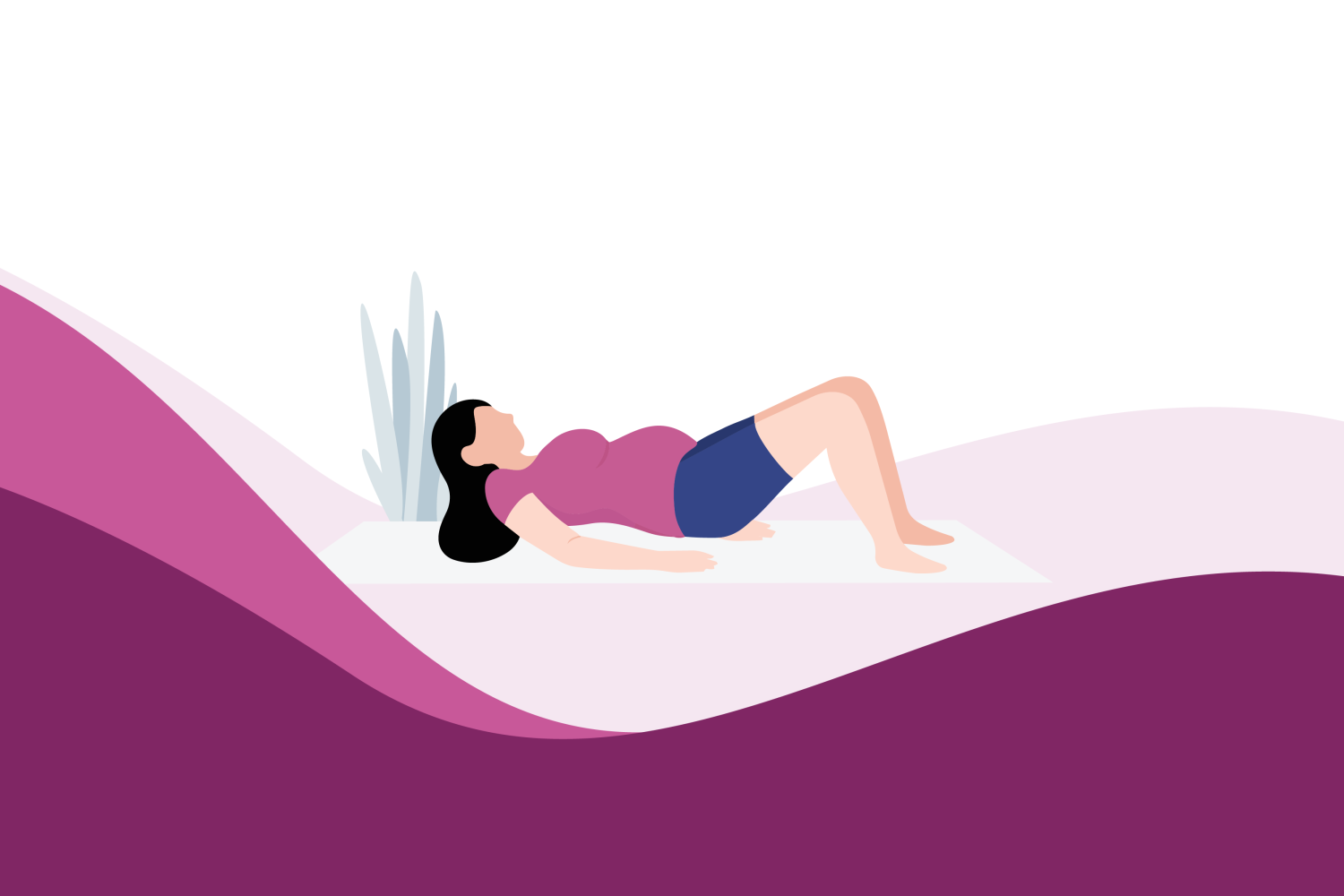
It is important not to hold your breath, tense your tummy, bottom or thigh muscles, or overdo it, as this can reduce effectiveness. Many women find it helpful to do exercises lying down in early pregnancy, progressing to sitting or standing as strength improves.
Benefits for pregnancy and birth
Pelvic floor training has clear benefits during pregnancy. Stronger muscles can reduce the risk of urinary leakage as the womb grows and help your body cope better with the physical demands of labour. After childbirth, these exercises support recovery of the pelvic floor, improve bladder control, and may even make sexual activity more comfortable. Some studies also suggest that regular pelvic floor exercise can reduce the risk of perineal trauma during vaginal delivery.
Making it a habit
Consistency is key. Incorporating pelvic floor exercises into your daily routine can be easier if you link them to regular activities such as brushing your teeth, feeding your baby, or waiting at traffic lights. Even a few minutes several times a day can have long-term benefits. Physiotherapists or midwives specialising in women’s health can provide guidance if you are unsure whether you are doing the exercises correctly or need a more tailored programme.
Final thoughts
The pelvic floor often goes unnoticed until a problem arises, but caring for these muscles during and after pregnancy can make a lasting difference. By starting exercises early, staying consistent, and seeking professional guidance when needed, you can protect your pelvic health, support recovery after birth, and maintain confidence in your daily activities.