Look after your teeth and gums during pregnancy
Pregnancy brings plenty of changes to your body, and your mouth can be affected too. Hormonal changes can make your gums more vulnerable to inflammation, which means they may become swollen, tender or more likely to bleed when you brush your teeth.
For some people, looking after their teeth feels much the same as it always has. For others, nausea, pregnancy sickness or tiredness can make brushing and other parts of their usual routine more difficult. Looking after your oral health remains important throughout pregnancy. There are some simple things you can do at home, and you do not need to wait until after your baby is born to see a dentist if something is worrying you.
Why can pregnancy affect your teeth and gums?
Hormonal changes during pregnancy can make your gums more vulnerable to inflammation caused by plaque. This can leave them red, swollen, sore or more likely to bleed. Bleeding, painful or swollen gums can cause gum disease, so it is worth speaking to a dentist if these symptoms persist. The NHS recommends regular dental check ups including during pregnancy.
Your everyday routine can make a difference too. If nausea, pregnancy sickness, tiredness or changes to your eating habits make it harder to keep up with your usual dental care, try to find an approach that feels manageable rather than giving up altogether.
What might you notice?
You may notice that your gums look redder than usual, feel swollen or tender or bleed when you brush or clean between your teeth.
These changes do not necessarily mean that something is seriously wrong, but persistent bleeding or painful, swollen gums are worth discussing with a dentist.
You can also develop tooth decay or other dental problems during pregnancy, just as you can at any other time. Regular dental care remains useful even if your mouth feels completely fine. The NHS recommends regular dental check-ups even when you do not have symptoms.
How can you look after your teeth and gums?
The basics remain important throughout pregnancy.
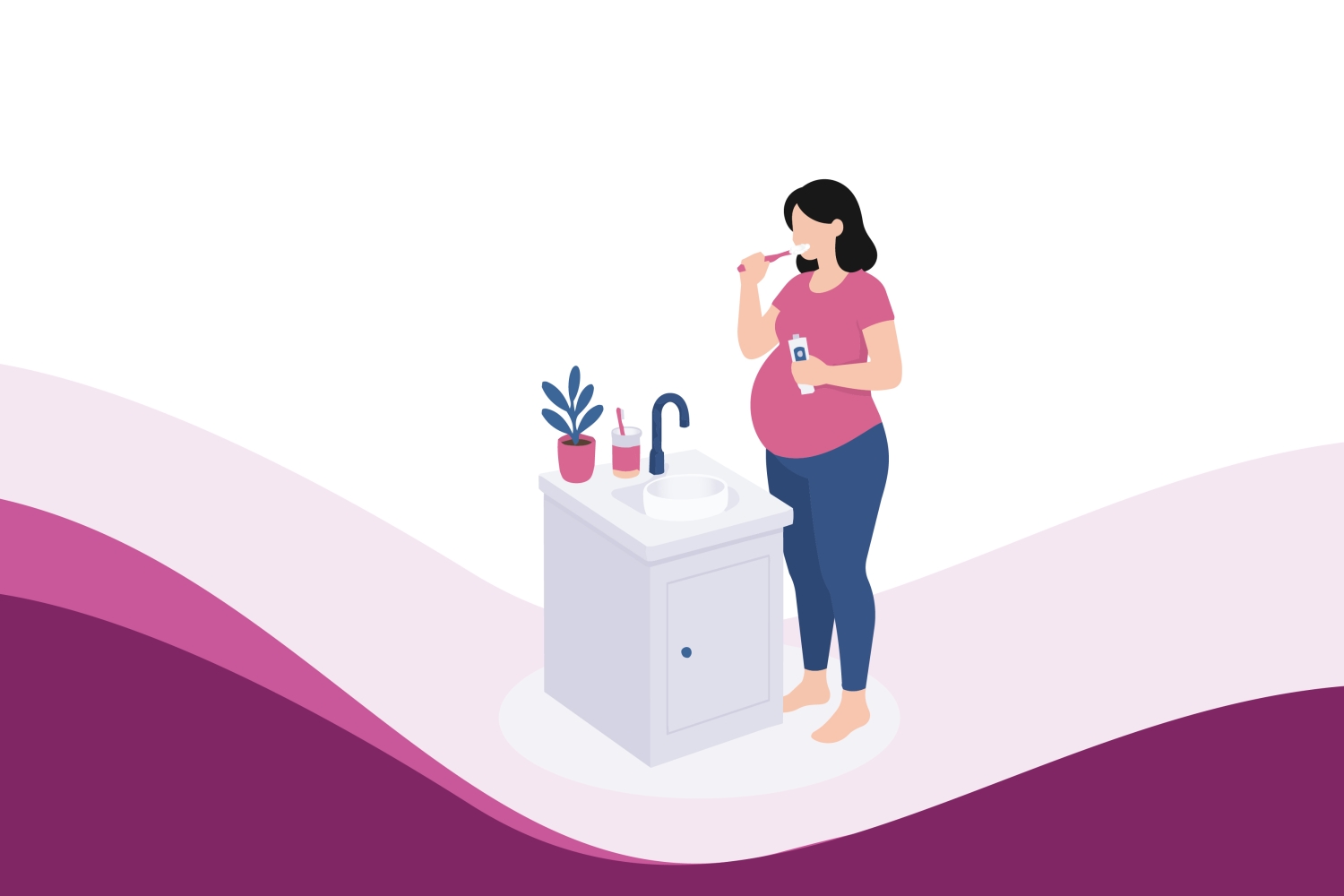
The NHS recommends brushing your teeth at least twice a day with fluoride toothpaste;
cleaning between your teeth every day using floss or interdental brushes and;
spitting out toothpaste after brushing rather than rinsing your mouth with water.
If your gums bleed, you might be tempted to avoid brushing the area because it feels uncomfortable. However, keeping your teeth and gums clean is part of preventing gum disease. Continue your usual cleaning routine and speak to a dentist if the bleeding continues or you are concerned about your gums.
Your eating habits matter too. Try to avoid having sugary foods and drinks too often, as frequent exposure to sugar can increase the risk of tooth decay.
You do not need to make your dental routine complicated. Brushing twice a day, cleaning between your teeth and attending dental appointments when recommended can give you a good foundation for looking after your oral health.
What if pregnancy sickness is making brushing difficult?
If you are dealing with nausea or pregnancy sickness, looking after your teeth can feel like another job on top of everything else. For some women, even the taste or smell of toothpaste can make brushing harder.
If this is happening to you, try to keep dental care going as much as you reasonably can. You may find that changing when you brush makes the routine easier if certain times of day are particularly difficult.
If you vomit, rinse your mouth with water afterwards. Stomach acid can affect the surface of your teeth, so it is best not to brush your teeth immediately after being sick. Waiting before brushing gives the tooth surface time to recover. Some NHS guidance recommends waiting around an hour before brushing after vomiting.
If pregnancy sickness is severe, persistent or affecting your everyday life, speak to your midwife or GP.
When should you see a dentist?
You do not need to wait until after pregnancy to deal with dental problems.
Speak to a dentist if your gums are regularly bleeding, painful or swollen, or if you have other concerns about your teeth or mouth. Dental problems may need treatment during pregnancy, so it is better to ask for advice than to put off care because you are unsure whether treatment is appropriate.
If you are already registered with a dentist, continue with your usual appointments. If you have not had a check-up for some time, pregnancy can also be a useful time to get back into regular dental care.
You do not need to wait until you have pain or a noticeable problem before seeking routine dental advice. The NHS recommends regular dental check-ups even when you do not have symptoms.
Can you go to the dentist while pregnant?
Yes. If you need dental care during pregnancy, speak to your dentist about the treatment you need.
When you make an appointment, let your dentist know that you are pregnant. They can take your pregnancy into account when assessing your teeth and gums and deciding what treatment is appropriate.
If you are unsure about a treatment that has been recommended, ask your dentist to explain why it is needed, what your options are and whether it is available through the NHS.
You should not delay necessary dental care simply because you are pregnant. Your dentist can advise you about the most appropriate treatment for your individual circumstances.
What does NHS dental care cost during pregnancy?
In England, NHS dental treatment is free if you are pregnant or have had a baby in the previous 12 months. You need to be eligible for NHS treatment and provide accepted evidence of your entitlement when required.
Accepted evidence can include:
- a valid maternity exemption certificate;
- a MAT B1 maternity certificate;
- a notification of birth form;
- a birth certificate; or
- a stillbirth certificate.
A maternity exemption certificate can also provide entitlement to free NHS prescriptions while you are pregnant. Your midwife or doctor can apply for the certificate on your behalf.
The exemption applies to NHS dental treatment. You will still need to pay for private dental treatment. If you are unsure whether an appointment or proposed treatment is being provided through the NHS or privately, ask your dental practice before treatment begins.
If you live outside England, NHS dental charging arrangements are different, so check the guidance for the part of the UK where you live.
What if you haven’t been to the dentist for a while?
If it has been some time since your last check-up, you are not alone. Pregnancy can be a good opportunity to get back into a regular routine without feeling that you should have done it sooner.
A dentist can check your teeth and gums and advise you about any areas that need attention. You do not need to wait until you have pain or a noticeable problem before making an appointment.
If you are worried about bleeding gums or another change you have noticed, mention it at your appointment so your dentist can assess you appropriately.
Making dental care part of your pregnancy routine
Dental care does not need to become another complicated part of pregnancy.
Keeping your toothbrush and fluoride toothpaste to hand, cleaning between your teeth each day and making time for dental appointments can all help you look after your mouth while your body is going through its usual changes.
If nausea or tiredness makes your routine harder at certain points, do what you can and return to your usual routine when you are able. If something is making dental care particularly difficult or you are worried about a change in your mouth, speak to your dentist rather than trying to work it out on your own.
When to seek urgent dental advice
If you develop severe toothache, significant swelling in your mouth or face, or other symptoms that you are concerned may need urgent dental attention, contact your dentist for advice.
If you have significant swelling affecting your mouth, lips, throat or neck and you are having difficulty breathing or swallowing, seek emergency medical help.
A final thought
Pregnancy can change how your body feels from one week to the next, and your teeth and gums can be part of those changes.
Keeping up with brushing, cleaning between your teeth and regular dental care can help you look after your oral health during pregnancy. If nausea or pregnancy sickness makes your usual routine more difficult, do what you can and seek advice if you are struggling.
If you have persistent bleeding, pain, swelling or another concern about your teeth or gums, speak to your dentist. You do not need to wait until after you baby is born to get dental advice or treatment.
Article information
References
Disclaimer
Important information
The information in this blog is provided for general information only. It is not intended to provide individual clinical advice, diagnosis or treatment and should not replace advice from your midwife, GP, maternity team, dentist or other appropriate healthcare professional.
Every pregnancy is different. If you have been given individual medical advice, please follow the guidance provided by your own healthcare team. If you have concerns about your health, your pregnancy or your baby’s wellbeing, seek appropriate medical advice rather than relying on information in this newsletter/blog etc.
Yorkshire Baby Scan is not an emergency service
Yorkshire Baby Scan is not an emergency or urgent medical service. Our scans and appointments are not a substitute for NHS maternity or emergency care.
If you have an urgent concern during pregnancy, contact your midwife or maternity unit, or the appropriate NHS service for your stage of pregnancy. If you are unsure where to seek help, contact NHS 111.
If you think you are experiencing a life-threatening emergency, call 999 immediately. (nhs.uk)
If you notice a change in your baby’s usual movements, do not wait for a scan appointment or until the next day. Contact your midwife or maternity unit immediately. (nhs.uk)
Information and review
We take reasonable steps to ensure that the information provided is accurate and based on current guidance at the time of publication. Healthcare guidance, legislation and available services can change, so information should be checked against current official guidance where appropriate.
Enjoyed this article or want to know more?
Book your scan today
See your baby’s first moments and create memories that last a lifetime. Book your private scan today and enjoy peace of mind from the very start of your journey.