Don’t panic if your pregnancy scan dates don’t match exactly
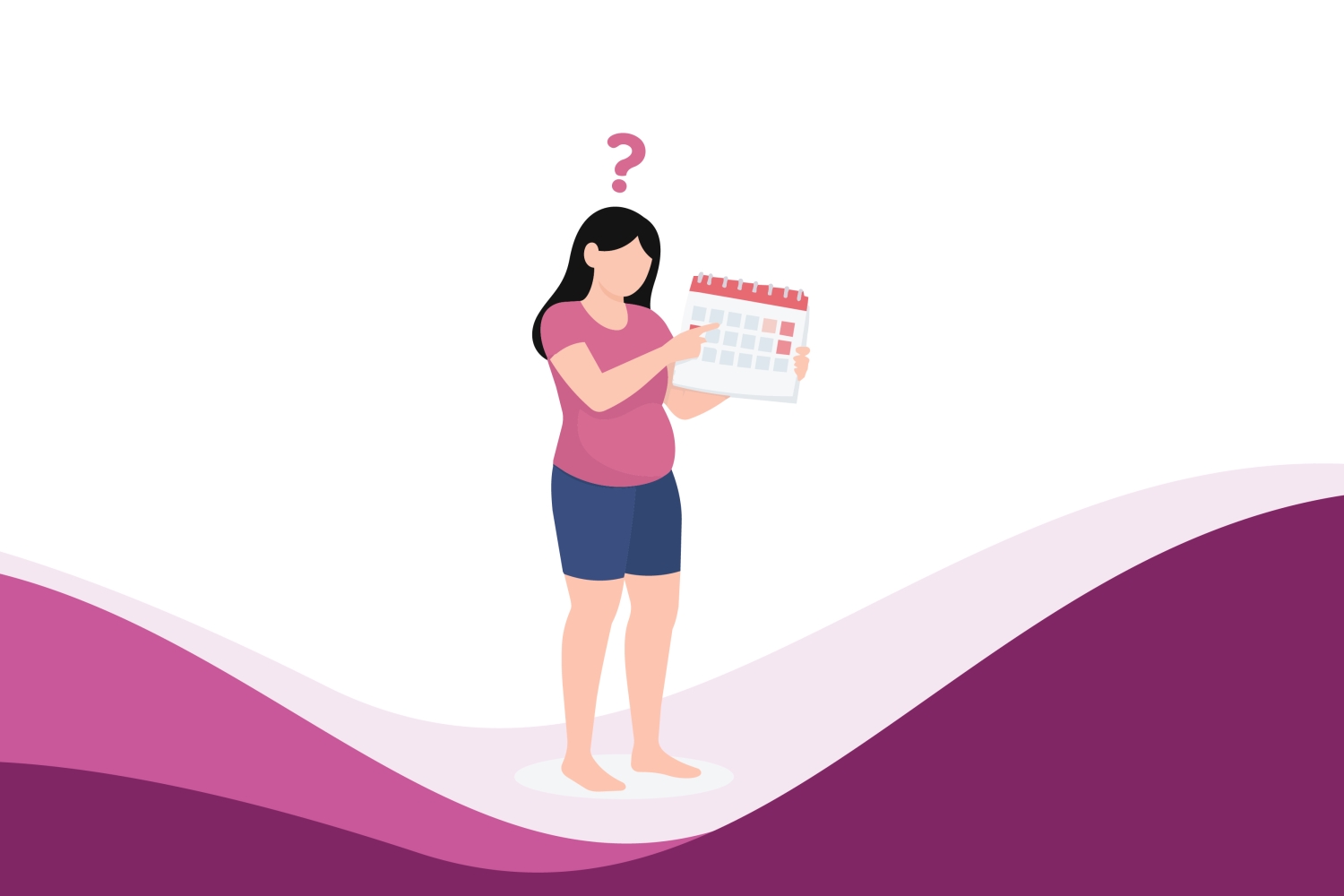
It is common for pregnancy scan dates to differ from what you expected based on your last period. This often causes confusion, especially in early pregnancy when everything feels closely tracked and time sensitive.
In most cases, these differences are completely normal and come down to how pregnancy is actually dated and measured.
Why your original dates are only an estimate
Pregnancy is usually calculated from the first day of your last menstrual period. This provides a helpful starting point early on, but it is based on a standard cycle pattern rather than your individual timing.
This method assumes ovulation happens around day 14 of a 28-day cycle. In reality, cycle length and ovulation timing can vary from person to person, and even from one month to the next. It is also not always easy to recall the exact date of your last period.
Because of this, early dating based on your period is always an estimate. It gives a useful guide, but it cannot precisely reflect when conception actually occurred.
Why scan dating is more accurate
As pregnancy progresses, having a clear and reliable understanding of how far along you are becomes more important for planning care and monitoring development.
Ultrasound scans provide this by measuring the pregnancy itself, rather than relying on cycle assumptions. In early pregnancy, these measurements follow very consistent patterns of growth, which makes them a more accurate way to estimate gestational age.
This is why scan results are used to confirm or adjust your dates, and why they become the main reference point going forward.
What small changes in dates actually mean
A difference of a few days between your expected dates and scan results is very common. In some cases, the difference may be slightly more, especially if your cycles are irregular.
These adjustments reflect a more accurate measurement of the pregnancy, rather than any problem with development. Pregnancy does not follow exact calendar precision, and small variations are expected.
In most cases, these changes are minor and fall well within normal clinical ranges.
Final point
Differences between scan dates and expected dates are one of the most common findings in early pregnancy. They usually come from normal variation in ovulation timing and cycle length, not from anything unusual.
This is why early scan dating is considered the most reliable way to establish how far along a pregnancy is, replacing earlier estimates based on cycle tracking.
Article information
Disclaimer
Important information
The information in this blog is provided for general information only. It is not intended to provide individual clinical advice, diagnosis or treatment and should not replace advice from your midwife, GP, maternity team, dentist or other appropriate healthcare professional.
Every pregnancy is different. If you have been given individual medical advice, please follow the guidance provided by your own healthcare team. If you have concerns about your health, your pregnancy or your baby’s wellbeing, seek appropriate medical advice rather than relying on information in this newsletter/blog etc.
Yorkshire Baby Scan is not an emergency service
Yorkshire Baby Scan is not an emergency or urgent medical service. Our scans and appointments are not a substitute for NHS maternity or emergency care.
If you have an urgent concern during pregnancy, contact your midwife or maternity unit, or the appropriate NHS service for your stage of pregnancy. If you are unsure where to seek help, contact NHS 111.
If you think you are experiencing a life-threatening emergency, call 999 immediately. (nhs.uk)
If you notice a change in your baby’s usual movements, do not wait for a scan appointment or until the next day. Contact your midwife or maternity unit immediately. (nhs.uk)
Information and review
We take reasonable steps to ensure that the information provided is accurate and based on current guidance at the time of publication. Healthcare guidance, legislation and available services can change, so information should be checked against current official guidance where appropriate.
Enjoyed this article or want to know more?
Book your scan today
See your baby’s first moments and create memories that last a lifetime. Book your private scan today and enjoy peace of mind from the very start of your journey.