Tip 1: Understand your baby’s position
As your due date gets closer, you may find yourself wondering where your baby is positioned and whether it matters.
Throughout pregnancy, your baby moves frequently, changing position as they grow and develop. By the final weeks, many babies naturally settle into a head-down position as pregnancy progresses towards birth. Knowing more about your baby’s position can help you understand what is happening in your pregnancy, answer some of the questions you may have and feel more prepared for conversations with your midwife or maternity team.
It is also worth remembering that every pregnancy is different. While many babies settle into a head-down position before labour, some take a little longer and others may remain in a different position. Understanding the different positions babies can settle into before birth can help you feel more informed about what to expect as your due date approaches.
What does your baby’s position mean?
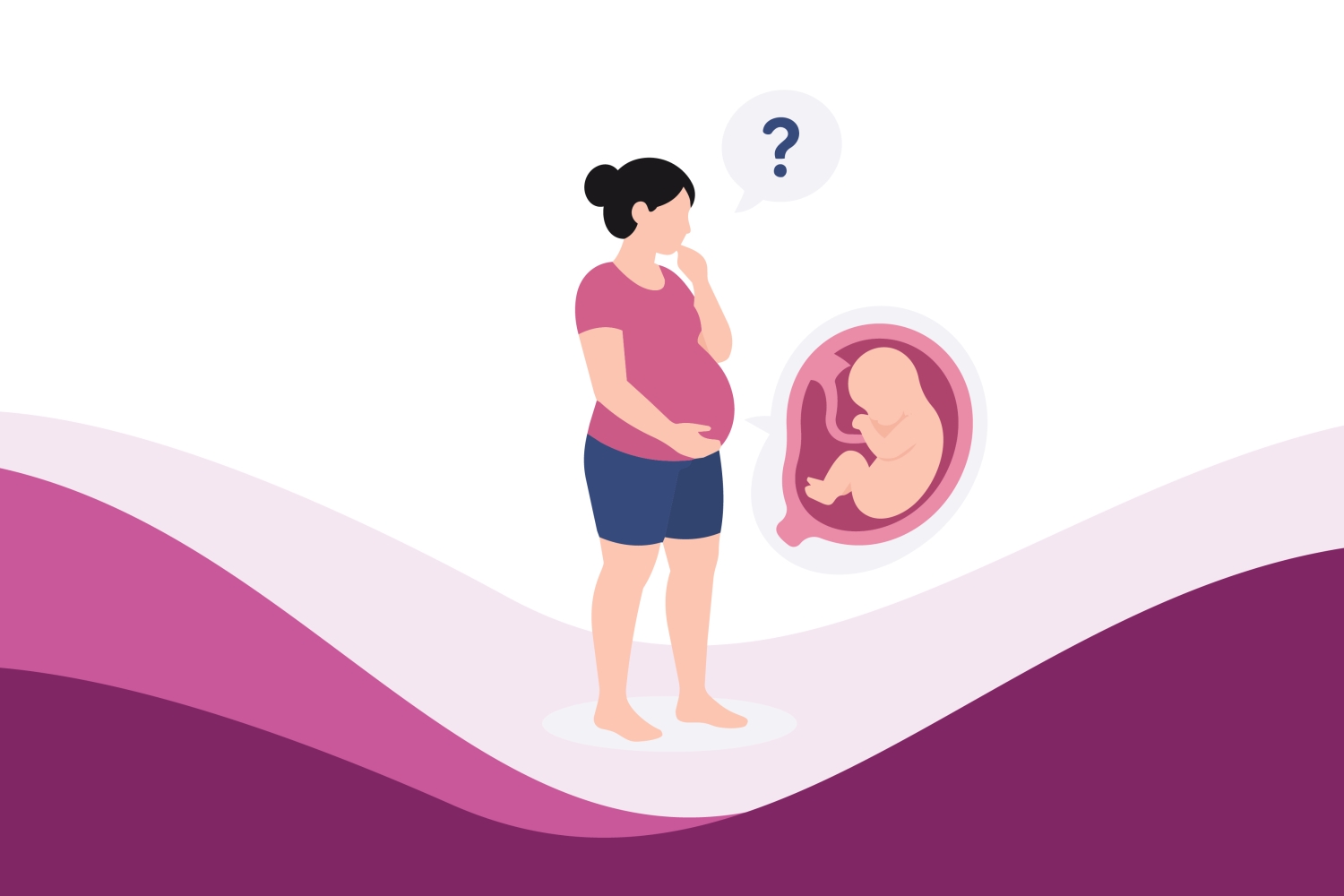
Your baby’s position describes how your baby is lying inside your uterus. Throughout pregnancy, your baby can move into different positions as they grow and develop, especially earlier on when there is more space to move. The most common position before labour is head down, which means your baby’s head is closest to your pelvis and usually the first part to move through the birth canal. This is known as a cephalic presentation.
Other positions include breech, where your baby’s bottom or feet are closest to the birth canal, and transverse, where your baby is lying sideways across the uterus. Earlier in pregnancy, your baby may change position regularly because there is plenty of room to move. As your baby grows and space becomes more limited, movements may feel different and your baby often settles into a position ready for birth.
When do babies usually move into a head-down position?
There is no exact week when every baby moves into a head-down position. Many babies naturally settle head down during the final weeks of pregnancy as they grow and have less room to turn. For some, this happens earlier, while others may continue changing position until closer to their due date.
This is one reason why your midwife will assess your baby’s position during routine antenatal appointments towards the end of pregnancy. According to the RCOG, most babies are head down by the end of pregnancy, although a small number remain in a breech position.
What if your baby is breech?
A breech baby is positioned with their bottom or feet closest to the birth canal instead of their head. Finding out that your baby is breech can naturally lead to questions, but it does not mean that your pregnancy is not progressing normally. It simply means your baby is lying in a different position and your maternity team can explain what this means for your pregnancy.
Some babies turn into a head-down position on their own before labour begins. If your baby remains breech later in pregnancy, your maternity team will discuss the options available with you. Depending on your circumstances, this may include monitoring your baby’s position, discussing whether your baby may turn naturally or talking through the possible birth options.
The NHS explains that a breech position means your baby is lying bottom first or feet first rather than head first. If your baby remains breech towards the end of pregnancy, your maternity team will discuss your options and the care that is most suitable for your situation.
Can your baby’s position still change?
Yes. Even in the final weeks of pregnancy, some babies continue to change position. As your baby grows, movements may feel different because there is less room inside the uterus. Instead of large kicks or turns, you may notice more stretching, rolling or pushing movements. Although the way movements feel can change, it is still important to be aware of your baby’s usual pattern of movements.
If you notice your baby’s movements have slowed down, stopped or changed from what is normal for your baby, contact your maternity unit straight away for advice rather than waiting until the next day. Further guidance on your baby’s movements during pregnancy explains when to seek advice and what to do if you have concerns.
How is your baby’s position checked?
Towards the end of pregnancy, your midwife will usually feel your abdomen to assess your baby’s position. This is a routine part of antenatal care and helps build a picture of how your baby is lying before birth.
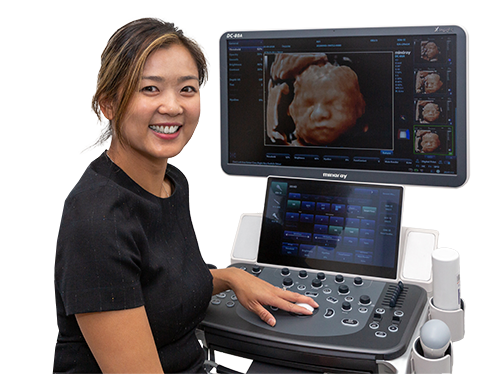
Sometimes, parents would like a clearer understanding of their baby’s position before labour. A Presentation Scan can provide additional information about your baby’s position before birth, including whether your baby is head down, breech or in another position. If you would like to learn more about what a presentation scan includes and when it may be appropriate you can read more here: https://www.yorkshirebabyscan.co.uk/presentation-scan-in-york/
A private presentation scan provides additional information about your baby’s position at the time of the scan. It does not replace scheduled antenatal appointments or any assessment recommended by your maternity team. Your midwife and maternity team will continue to provide ongoing advice and support throughout your pregnancy.
Why understanding your baby’s position can be helpful
Knowing your baby’s position is not about predicting exactly how your labour will unfold. Instead, it can help you understand what your maternity team is discussing during appointments and why they may recommend certain checks or conversations as your due date approaches. Baby’s can still change position before labour begins, the scan reflects your baby’s position on the day of the scan.
For example, if your baby is head down, this is the position most commonly seen before labour. If your baby is breech or lying in another position, your midwife can explain what this means and whether any further discussions or assessments are recommended.
Being informed allows you to ask questions, understand your options and gain a better understanding for the weeks ahead. If you are also starting to think about labour itself, our guide to Signs of Labour Starting explains some of the common changes you may notice as your body prepares for birth:
Final thoughts
Understanding your baby’s position can help you make sense of the discussion you have with your maternity team as your due date approaches. While it can not predict exactly how labour will begin, knowing your baby’s position at this stage of pregnancy can provide useful information and help you feel more informed as you prepare to meet your baby.
Article information
References
Disclaimer
Important information
The information in this blog is provided for general information only. It is not intended to provide individual clinical advice, diagnosis or treatment and should not replace advice from your midwife, GP, maternity team, dentist or other appropriate healthcare professional.
Every pregnancy is different. If you have been given individual medical advice, please follow the guidance provided by your own healthcare team. If you have concerns about your health, your pregnancy or your baby’s wellbeing, seek appropriate medical advice rather than relying on information in this newsletter/blog etc.
Yorkshire Baby Scan is not an emergency service
Yorkshire Baby Scan is not an emergency or urgent medical service. Our scans and appointments are not a substitute for NHS maternity or emergency care.
If you have an urgent concern during pregnancy, contact your midwife or maternity unit, or the appropriate NHS service for your stage of pregnancy. If you are unsure where to seek help, contact NHS 111.
If you think you are experiencing a life-threatening emergency, call 999 immediately. (nhs.uk)
If you notice a change in your baby’s usual movements, do not wait for a scan appointment or until the next day. Contact your midwife or maternity unit immediately. (nhs.uk)
Information and review
We take reasonable steps to ensure that the information provided is accurate and based on current guidance at the time of publication. Healthcare guidance, legislation and available services can change, so information should be checked against current official guidance where appropriate.
Enjoyed this article or want to know more?
Book your scan today
See your baby’s first moments and create memories that last a lifetime. Book your private scan today and enjoy peace of mind from the very start of your journey.