Watch how your body responds to heat differently
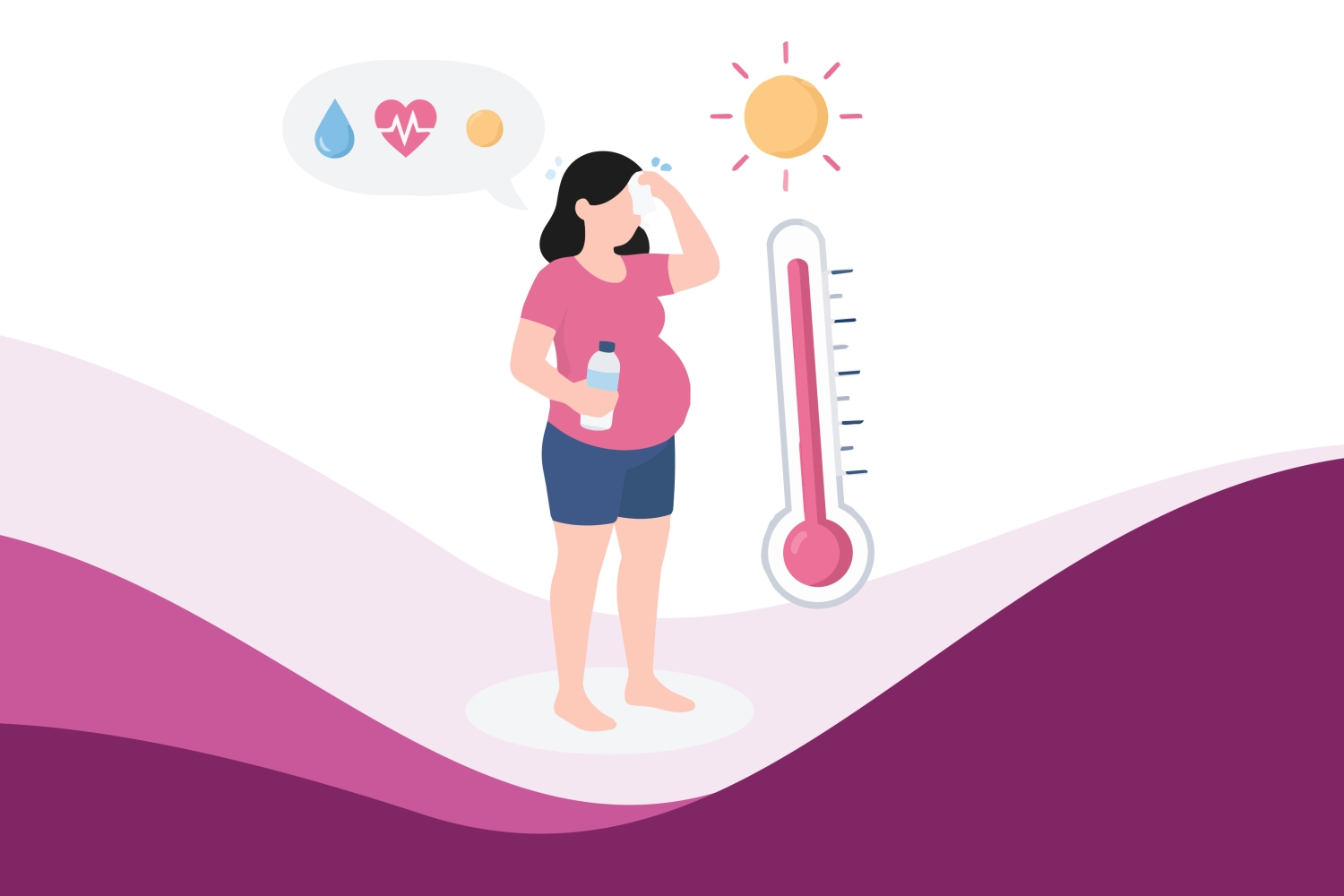
Heat can feel more noticeable during pregnancy. Warm weather, busy days outdoors or periods of travel may leave you feeling more tired or uncomfortable than before pregnancy. These changes are linked to normal physiological adaptations, including increased blood volume, changes in circulation and how the body regulates temperature.
Why heat feels different in pregnancy
During pregnancy, your body produces more blood to support your baby and your heart works harder to circulate it. These changes are a normal part of pregnancy, but they can affect how your body responds to heat.
You may notice:
- Feeling warmer more easily
- Becoming tired more quickly in hot weather
- Needing more frequent rest breaks during physical activity
These changes vary from person to person and are often more noticeable later in pregnancy. They are a normal part of your body’s adaptation to pregnancy and not usually a sign that something may be wrong.
Signs your body may be affected by heat
It is more useful to focus on how your body responds to heat rather than temperature alone.
Common signs include:
- Feeling unusually tired or drained
- Dizziness or light-headedness
- Headaches
- Increased thirst
- Feeling overheated or flushed
- Swelling in the feet, ankles or hands
The NHS advises avoiding dehydration and overheating during pregnancy, particularly in hot weather or when travelling, as this can make you feel unwell more quickly. The UK Health Security Agency also identifies pregnant women as being at increased risk of a heat-related illness during periods of high temperature.
If you notice these symptoms, slow down, move to a cooler place and drink plenty of fluids. If your symptoms do not improve or you have any concerns, contact your midwife or maternity team for advice.
Swelling in warm weather
Mild swelling (oedema) is common in pregnancy, especially in the later stages, and most often affects the feet, ankles and lower legs. Warm weather can make swelling more noticeable because blood vessels widen to help your body cool down, it is part of the body’s natural temperature regulation. However, if swelling is sudden, severe or accompanied by other symptoms, it should be checked by your midwife or maternity team for advice.
Does heat affect the baby?
In most everyday situations, warm weather does not directly affect your baby. The main concern is your wellbeing. If you become overheated or dehydrated, it can affect how your body functions, including your circulation and blood pressure. This is why it is important to stay well hydrated and avoiding becoming too hot during pregnancy.
Severe overheating is uncommon in everyday UK summer conditions but you should still take sensible precautions, particularly during hot weather or heatwaves.
Practical ways to manage heat during pregnancy
Most expectant mothers can continue their usual activities in warm weather by making a few simple adjustments:
- Drink water regularly throughout the day
- Wear loose fitting, breathable clothing
- Stay in shade during the hottest part of the day
- Avoid spending long periods in direct sunlight
- Take regular breaks during physical activity
- Rest if you start to feel tired or overheated
The aim is not to avoid activity altogether, but to listen to your body and respond early to sign that you need to cool down or rest.
When routine changes make heat harder to manage
Changes in routine such as travelling, holidays or spending longer days outdoors, can make it easier to miss early signs of fatigue or dehydration. During pregnancy, this matters because your body may reach its limits sooner than usual, even during activities that normally feel manageable.
Symptoms like tiredness, feeling light-headed or needing to rest more often can develop gradually and be overlooked when you are away from your usual routine.
A simple approach is to check in with how you are feeling throughout the day and take breaks when you need them. Drinking water regularly, resting in shade and avoiding becoming too hot can help prevent symptoms from developing. The aim is not to limit your activities, but to recognise earlier when your body is asking for rest and respond early.
Final thoughts
Feeling warmer during pregnancy is a normal response to changes happening in your body. By staying well hydrated, keeping cool and listening to your body’s signals, you can usually continue your everyday activities comfortably, even in warmer weather.
If you are ever unsure about symptoms or feel something is not right, you should contact your midwife or maternity team for advice.
Article information
References
Disclaimer
Important information
The information in this blog is provided for general information only. It is not intended to provide individual clinical advice, diagnosis or treatment and should not replace advice from your midwife, GP, maternity team, dentist or other appropriate healthcare professional.
Every pregnancy is different. If you have been given individual medical advice, please follow the guidance provided by your own healthcare team. If you have concerns about your health, your pregnancy or your baby’s wellbeing, seek appropriate medical advice rather than relying on information in this newsletter/blog etc.
Yorkshire Baby Scan is not an emergency service
Yorkshire Baby Scan is not an emergency or urgent medical service. Our scans and appointments are not a substitute for NHS maternity or emergency care.
If you have an urgent concern during pregnancy, contact your midwife or maternity unit, or the appropriate NHS service for your stage of pregnancy. If you are unsure where to seek help, contact NHS 111.
If you think you are experiencing a life-threatening emergency, call 999 immediately. (nhs.uk)
If you notice a change in your baby’s usual movements, do not wait for a scan appointment or until the next day. Contact your midwife or maternity unit immediately. (nhs.uk)
Information and review
We take reasonable steps to ensure that the information provided is accurate and based on current guidance at the time of publication. Healthcare guidance, legislation and available services can change, so information should be checked against current official guidance where appropriate.
Enjoyed this article or want to know more?
Book your scan today
See your baby’s first moments and create memories that last a lifetime. Book your private scan today and enjoy peace of mind from the very start of your journey.